Continental drilling training
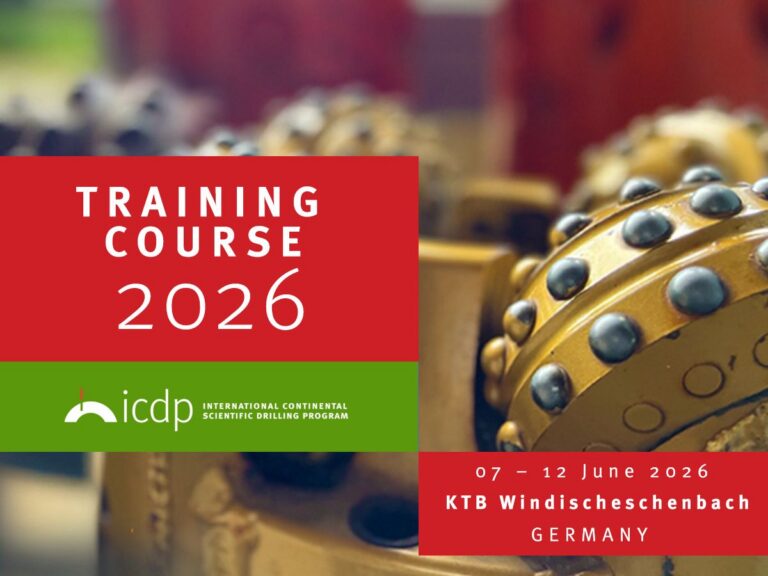
Gain hands-on expertise in project planning, drilling technology, on-site operations, sample/data management and designing your own drilling proposal at the International Continental Scientific Drilling Program's (ICDP's) 2026 training course.
A new session led by the ICDP Early Career Researcher (ECR) Network will further foster collaboration and networking.
Participation is free, with ICDP providing financial support to cover travel, accommodation and meals for successful applicants.
It's on 7-12 June in Windischeschenbach, Germany.
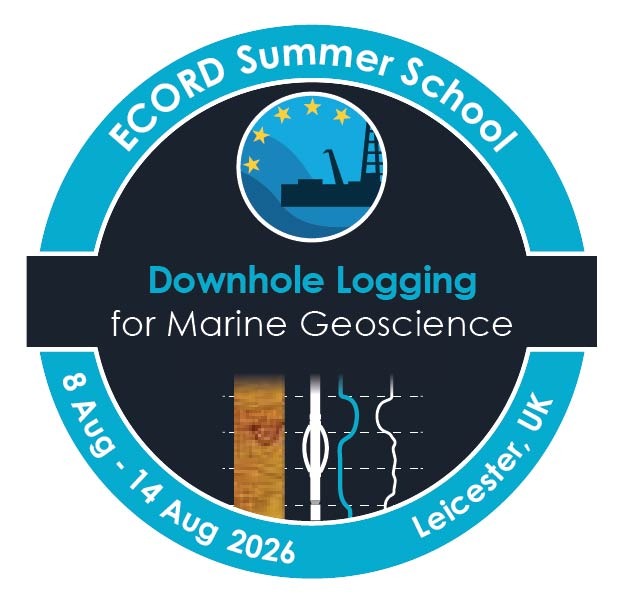
Downhole logging for Marine Geoscience
Get more involved in ocean drilling science at this Summer School!
It introduces the interpretation and applications of downhole logs and physical property data, primarily from the International Ocean Drilling Programme (IODP3). The course explores the relevance and unique insights of these data for a range of fields.
It's open to applicants from all career stages and geoscience backgrounds but is tailored to those early in their career.
Runs from August 8 to 14 at the University of Leicester, UK.
Past ocean currents and their effects on sedimentation and benthic ecosystems
This two-week summer school will prepare you for future participation in drilling expeditions through a combination of lab exercises on ocean drilling ship-board methodologies ('shipboard simulation') and interactive lectures by world-leading scientists.
Held at the integrated core-laboratories facilities at the Bremen Core Repository and the Center for Marine Environmental Sciences (MARUM), you'll become familiar with a wide spectrum of analytical technologies and core description and scanning methods.
It’s on 7-18 September in Bremen, Germany.
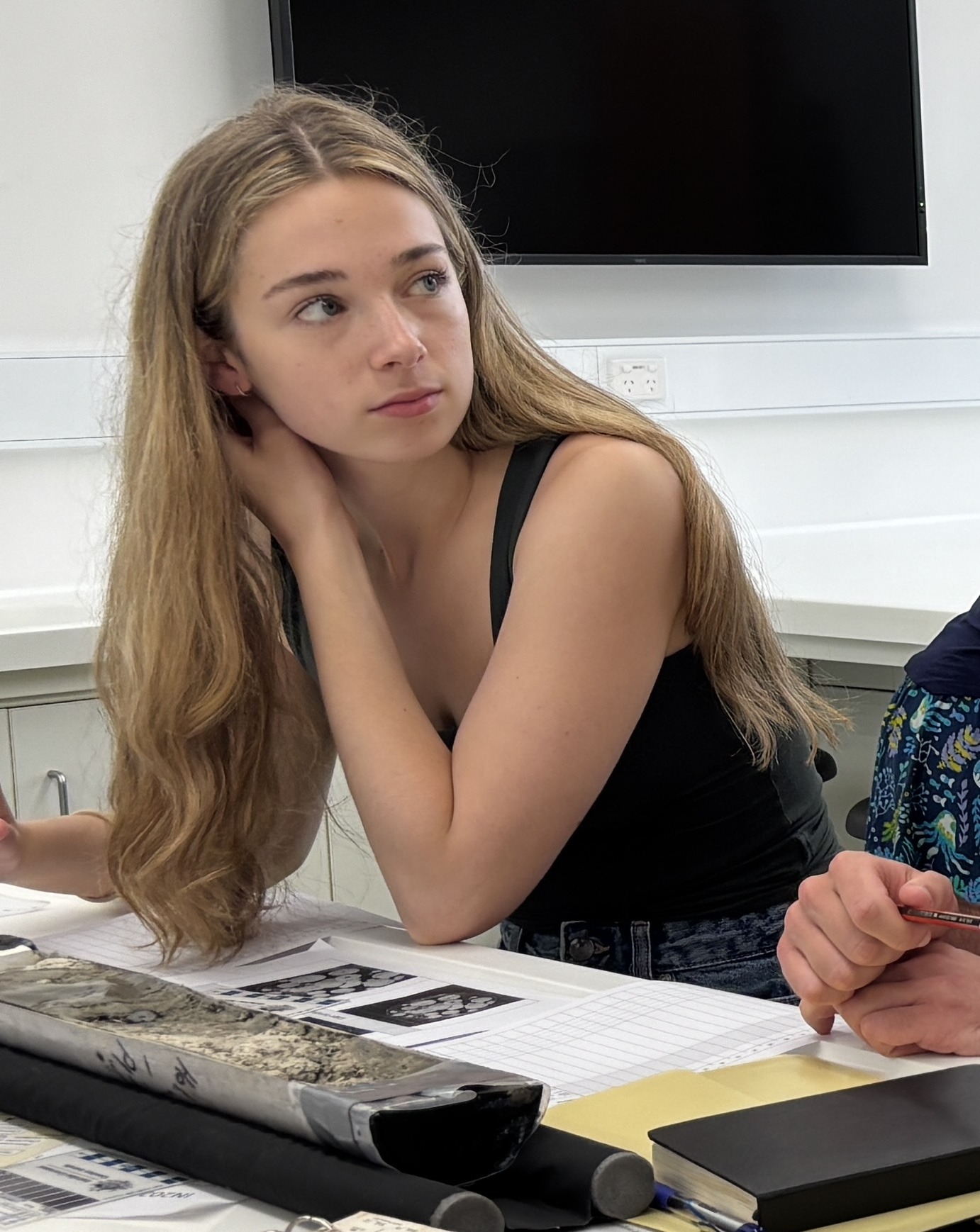
An absolutely amazing experience that I would recommend most highly to all.”
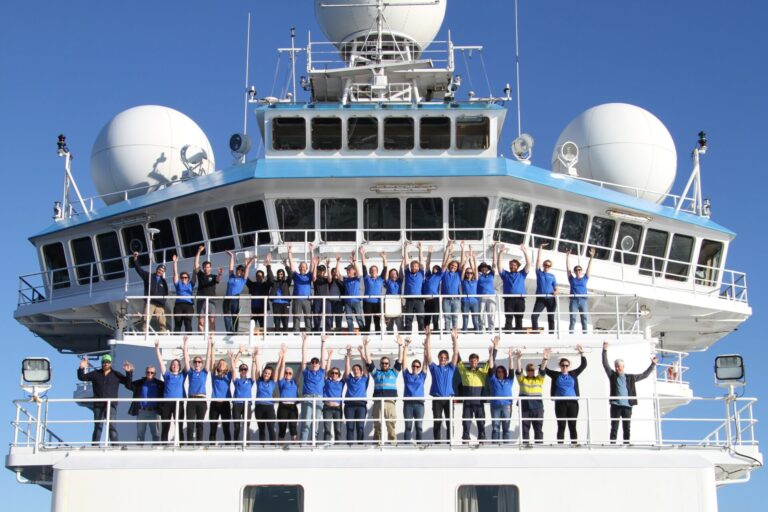
CAPSTAN at-sea training
CAPSTAN is all about equipping the next generation of marine researchers with the skills and expertise they need in the advanced systems and diverse equipment used in modern marine research.
In 2026, there will be two CAPSTAN voyages:
CAPSTAN 05: 12 days in April/May 2026, sailing Fremantle to Hobart
CAPSTAN 06: 10 days in September 2026, sailing Brisbane to Fiji.
We can't wait!
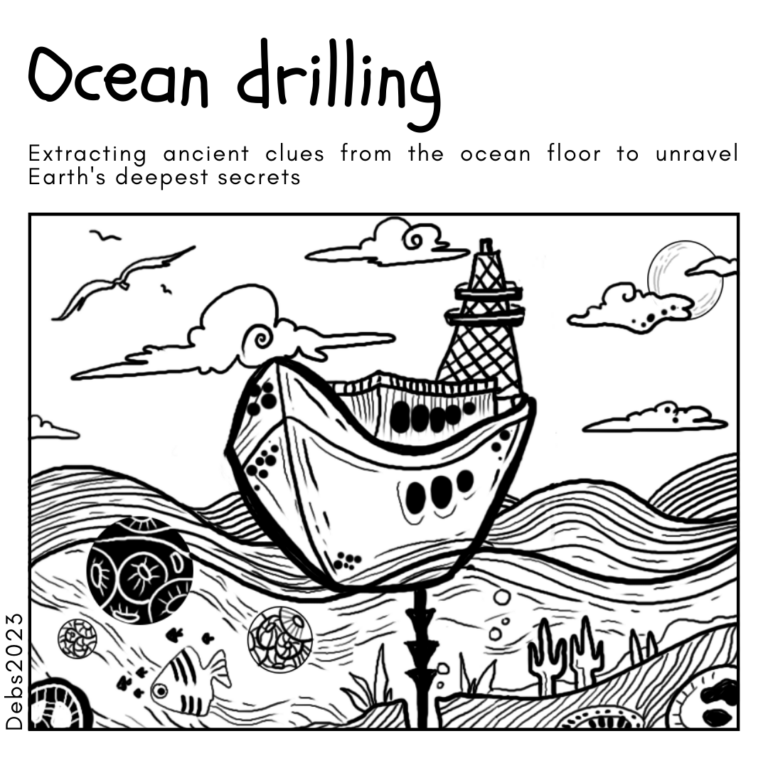
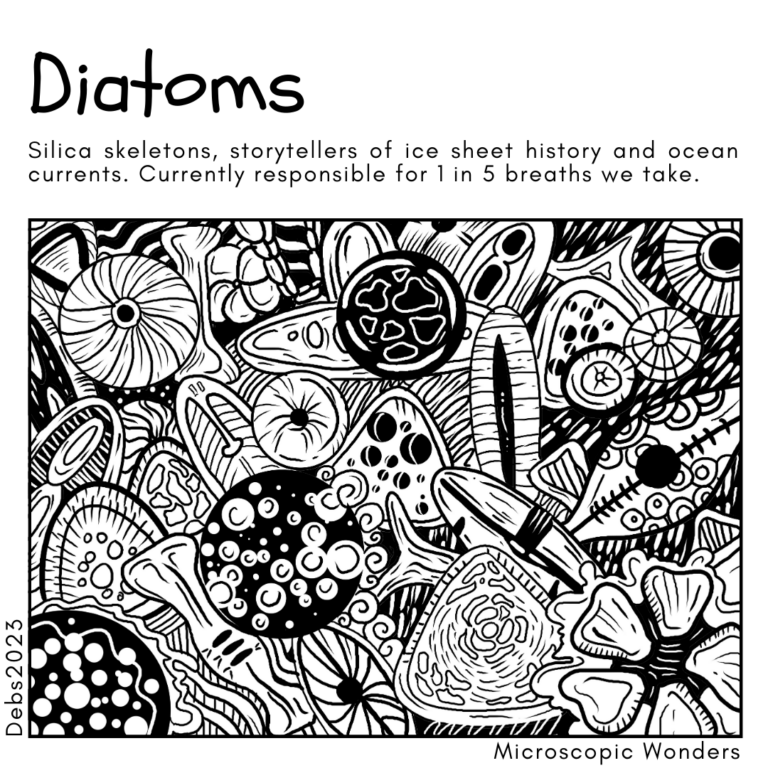
Artworks to colour
Dr. Deborah Tangunan - Artist and Research Fellow at Cardiff University - has created these fabulous colouring pages depicting the intricate world of microfossils and what they tell us about the Earth's history.
The link takes you to Deborah's files.
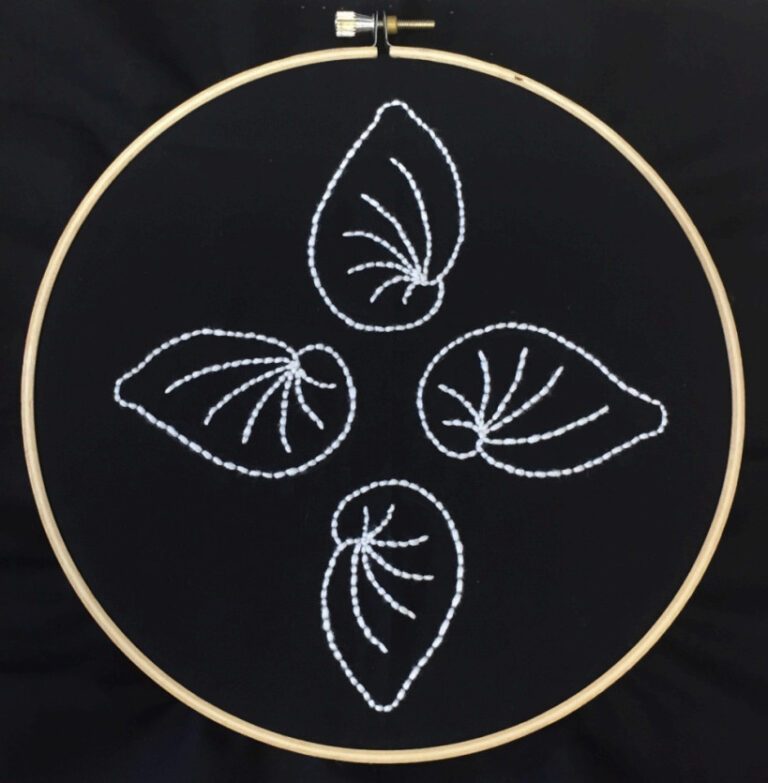
Patterns to knit or embroider
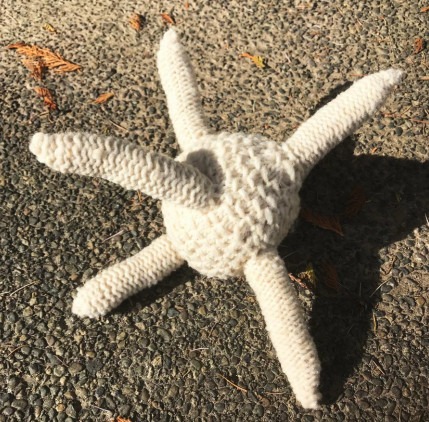
From the JR's amazing collection of resources of microfossil activities!